
Scenic helicopter flight with thrilling scenery of giant Himalaya, magical landscape and beautiful settlement can be a lifetime memorable experience. Dozens of sky soaring peaks in Dhaulagiri, Annapurna, Manaslu and Ganesh Himalaya ranges, hanging icefalls, glacial lakes, lagre grasslands, alpine meadows, magical mountain sequence, typical lifestyle of mountain locals, wildlife in Dhorpatan Hunting Reserve, world’s deepest Kaligandaki gorge, Hindu and Buddhist culture, Gurung tribal culture and their traditional villages, medieval era monument sites in Kathmandu valley, beautiful lakeside city of Pokhara, and sunrise-sunset view in Nagdanda are the attraction of the trip.
This tour is the combination of classic tribal culture and unique Himalayan nature. We observe medieval era artistic temples and palaces in Kathmandu, Bhaktapur and Patan, traditional villages of Newar in Kathmandu valley and Bandipur village, Gurung tribal villages, beautiful lakes like Phewa, Begnas and Rupa, beautiful Tal Barahi Temple in Phewa Lake Island, World Peace Pagoda atop a hill above Phewa lake, Dogari glacial lakes, interesting alpine meadows, beautiful large grasslands and high country flora and fauna in Dhorpatan Hunting Reserve and wonderful view of Annapurna, Dhaulagiri, Churen, Putha, Dogari, Gurja and Manaslu ranges. If we are lucky enough, we will also see snow leopard and wolf in the reserve area.
Day 01: Arrive Katmandu, explore Kathmandu, 5* hotel
Arrive Kathmandu. Transfer to hotel, have lunch then visit Kathmandu Durbar Square, Swoyambhunath and Kalimati Agro-market. Dinner and overnight.
Kathmandu Durbar Square
In the heart of the old city: the Durbar, that is "the square of the royal court", where it seems to go back in time. In the Durbar square, there are more than fifty temples and monuments and among these stands, the magnificent Temple of Taleju, which houses the deity of the royal family and which is possible to visit only externally. Its three roofs are covered with gilded copper and a series of jingling bells makes the atmosphere even more magical. It was built by King Mahendra Malla between 1549 and 1596 and dedicated to the Goddess Taleju Bhawani. The Kasthamandap, whose name means "wooden house", was built in the 12th century and it was King Laxmi Nar Singh Malla who wanted its construction with the wood of a single "sal" tree. Initially ceremonies were held in the building and it was the meeting place of the foreigners who participated in it and only later was it dedicated to Gorakhnath but due to 2015 earthquake, some of the monuments including this are totally collapsed. Tiny temple of Ashok Binayak with no spire is also known as Maru Ganesh, a deity much loved by the Nepalese, the elephant-headed god. Returning further to the square is the Temple of Shiva. Still in the square, the old Royal Palace, the Hanuman Dhoka (the monkey god) who was built in the 17th century by King Pratap Malla, although over the years they have been made several improvements and additions. Near the square, the Kumari Temple palace, a monastic building built in the mid-18th century and a masterpiece of Newari art, with richly carved wooden windows. Here lives the living goddess, or Kumari, incarnation of Taleju Bhawani, the protective goddess of the royal family, manifestation of Goddess Durga.
Swoyambhunath stupa
Swoyambhunath stupa located atop a hill west of the capital and the rising of this temple is of fundamental importance for the inhabitants of Nepal. Legend has it that many years ago, when the Kathmandu valley was a Tethyan lake, here was a beautiful lotus flower which had a blue beam of light. That flower was a god, a manifestation of Swoyambhu (the land created itself at the middle of the Tethyan ocean), the the original, primordial, Adi Buddha. Manjusri, which wanted to smell the flowers, to approach with his sword cut off the waters of the lake thus making the birth of the Kathmandu Valley. Manjusri then built the temple Swoyambunath of just where the lotus flower was shining, he founded the city of Kathmandu and then returned to China.
Kalimati Agro-Market
Kalimati fruit and vegetable wholesale market where we see interesting activities of selling and buying all kinds of fruits, fresh and dry vegetables, lentil grains, fresh and dry fishes. The market seems active almost 24 hours but more active early in the morning. During the day, big trucks are not allowed to enter the main city area so they drop the stuff at night. All dealers and shopkeepers gather there early morning to distribute the items to the market within 6-7am. During day time, they segregate the leftover items and sell it and cleans their place. It may be worth visit the place to experience the lifestyle in local agro-market.
Day 02: Drive to Bandipur (1030m) / 148km, approx. 4.5 hour drive, heritage boutique hotel
After breakfast, drive to Bandipur through beautiful cultivated farmlands, Trishuli and Marsyangdi River valley and forested hills. Lunch at Hilltop Malekhu or in Bandipur. Check in hotel. Explore traditional Newari village of Bandipur. Dinner and overnight.
Bandipur (1030m)
A traditional Newari village of Bandipur located in hill saddle between Kathmandu and Pokhara, was once very famous commercial junction of Tibet and British India trade route. In early 18th century, when the great king Prithvi Narayan Shah conquered Kathmandu valley, most of the Newar businessmen moved to this beautiful mountain and settled here for their bright future in business. Tibetan traders with gold, horses, precious mountain herbs and animal part like musk pods, tiger’s skin, bear’s bile, deer horn and similarly British India traders with glassware, kerosene, tobacco, salt used to come this place for trade. This beautiful place grew up as a business hub. Bandipur, originally inhabited by Magar tribe, then became Newari town where they built up traditional clay dung plastered stone houses with slate roofs, artistic temples, beautiful water fountains and stone paved streets.
Due to the construction of Pokhara airport and Kathmandu Pokhara road in 1972, its charm decreasea for business but being situated in prime location with its unique nature and classic culture, it’s charm regained by tourism. Wonderful Himalaya panorama from Lamjung Himal in the west, Manaslu and Buddha Himal just in the front and Ganesh Himal in the east is seen clearly. Beautiful landscape, overlooking Marsyangdi River valley, Newari culture as well as mix culture of Magar, Bhramin, Kshetri and Dalits, beautiful Hindu shrines, traditional houses with slate roofs, typical lifestyle of mountain people are the attraction of the village. There are good hotels, restaurant and homestay with wide varieties of meals including local dishes.
Day 03: Drive to Pokhara (820m) and Nagdanda (1660m) / 100km, approx. 3 hour drive, Heritage hotel in prime location
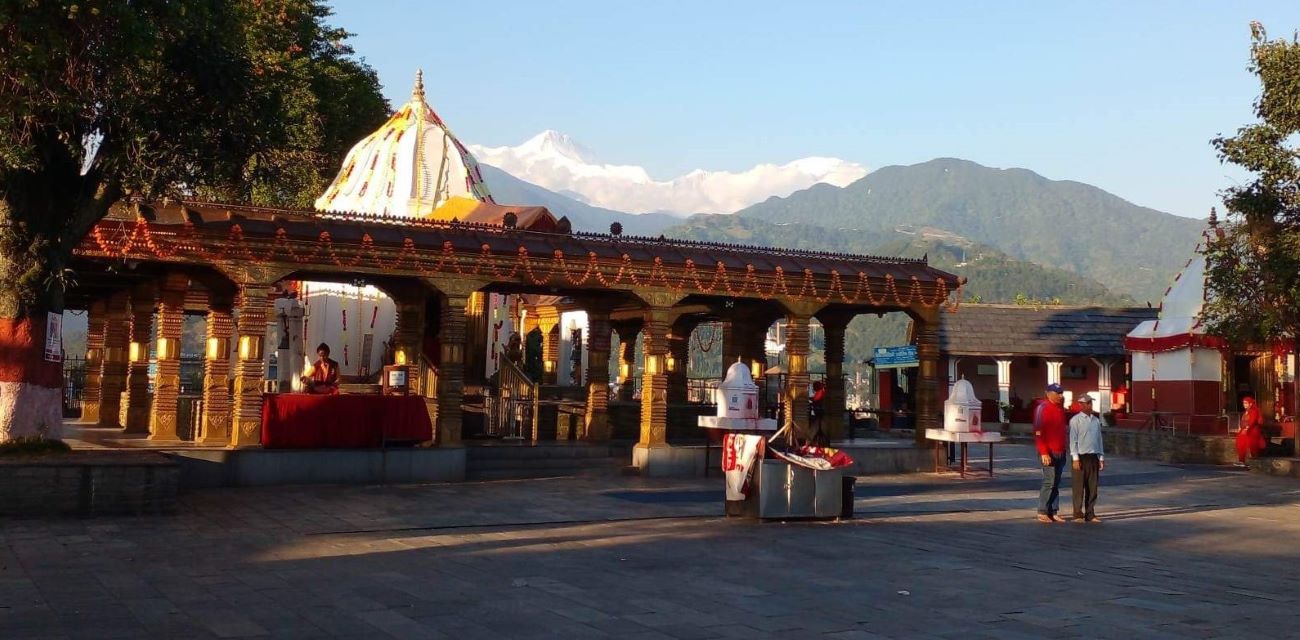
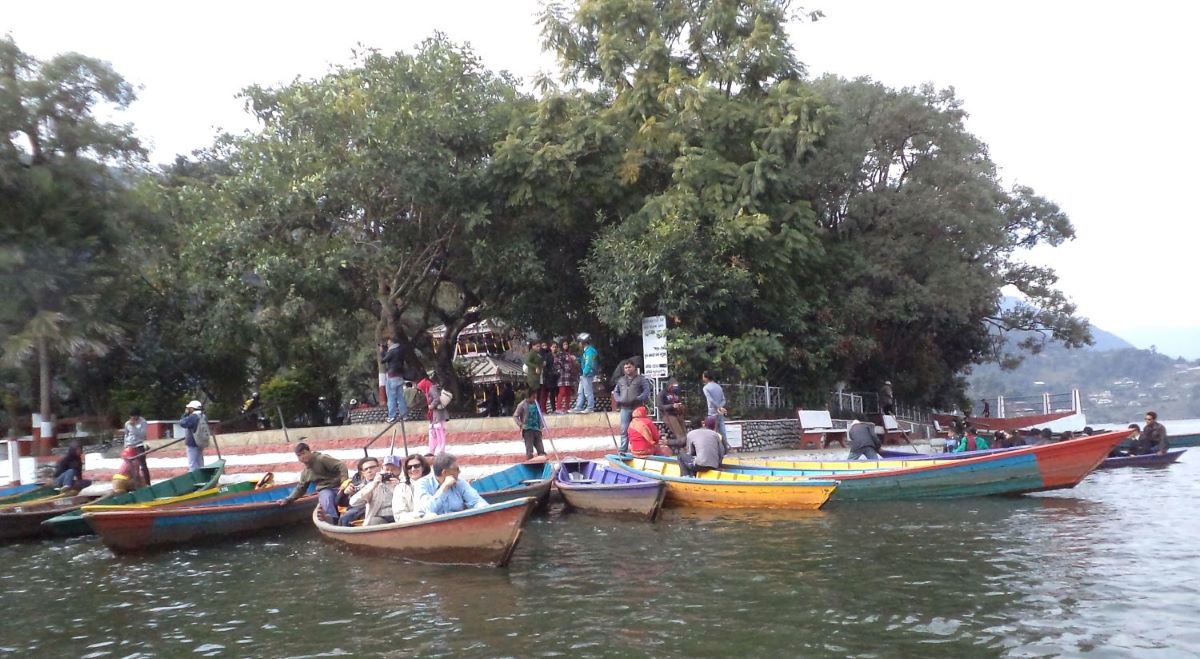
Have breakfast, drive to Pokhara, visit World Peace Pagoda, observe wonderful Himalaya panorama from Dhaulagiri in the west to Manaslu in the East. You can see numerous peaks in Annapurna range just in front of you and overlooking view of Phewa Lake and Pokhara valley. Drive down to Pokhara, visit David Fall (a beautiful water waterfall originated from Phewa Lake), then have lunch at any restaurant by the Phewa Lake shore. Visit Tal Barahi Temple in the Phewa Lake Island accessed by boating. Visit Bindhyabasini Temple then drive to Nagdanda. Check in hotel. If the sky is clear, you will see wonderful golden Himalaya at sunset. During spring (March-May), blooming rhododendron around the hotel looks so beautiful. It is also good for bird watching. The resort is in prime location surround by beautiful rhododendron forest that provides majestic Himalaya panorama from your bedroom. Dinner & overnight.
Pokhara valley
Pokhara valley is one of the most beautiful places of Nepal in terms of close view of majestic Himalayas, numerous lakes, hills and hillocks, mysterious caves, narrow river valleys, Hindu and Buddhist shrines, Gurung tribal culture, traditional villages, farmlands, starting and ending point of several trekking trips and lots of touristic activities. Bindhyabasini Temple of Goddess Parvati, Tal Barahi temple (temple of Astamatrika and Barahi Goddess) in the Phewa lake Island accessed by boating, World Peace Pagoda in the hilltop, boating in Fewa, Begnas and Rupa Lake, reflection of Machhapuchhre at Phewa Lake surface, sunrise scene from Sarankot, mysterious caves like Mahendra, Chamere and Gupteshwor, limestone waterfall Davi’s Falls, International Mountain museum, wonderful majestic view of Annapurna, Dhaulagiri and Manaslu ranges with numerous peaks, trekking to the foothill and Base Camp of Annapurna and Machhapuchhre Himal, Gurung village tour and lots of exciting touristic activities like paragliding, jeep lining, altra-light aircraft, bungee jumping are the key attraction in the Pokhara valley.
Day 04: Dhaulagiri Dhorpatan Annapurna Himalaya sightseeing by helicopter and visit Mahendra Cave and relax in the afternoon, Heritage hotel in prime location
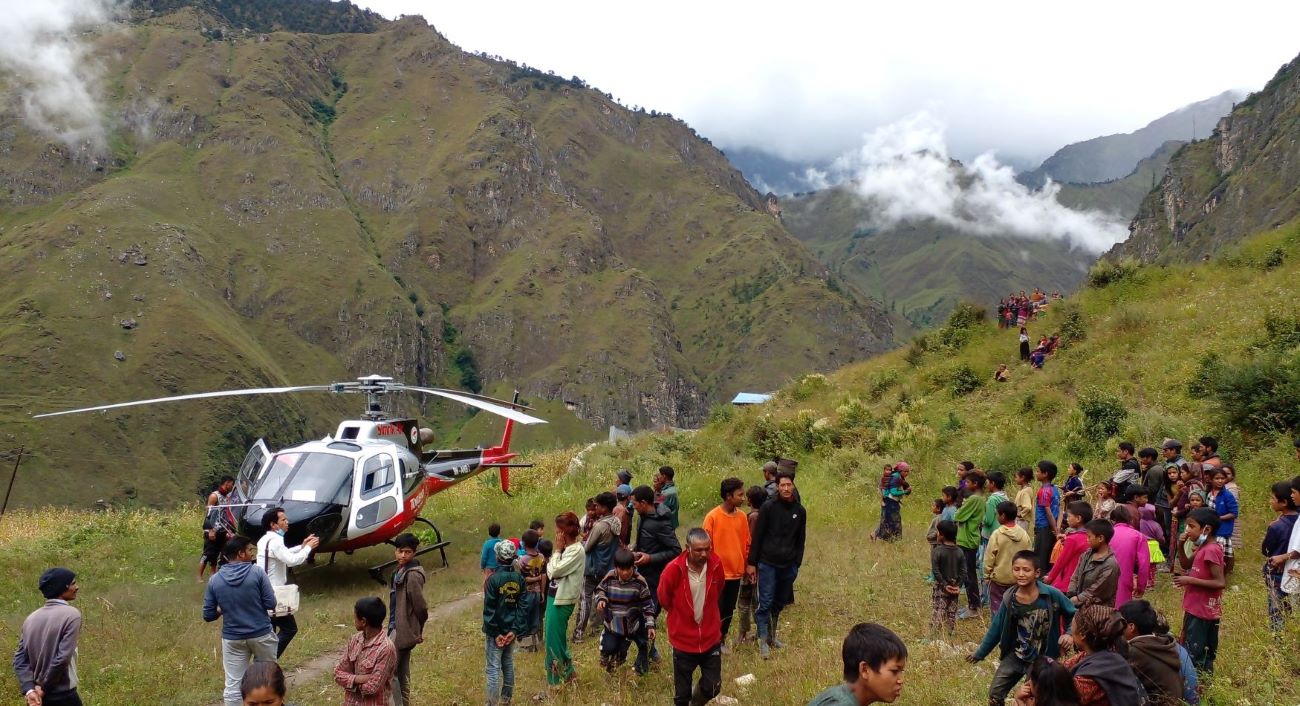
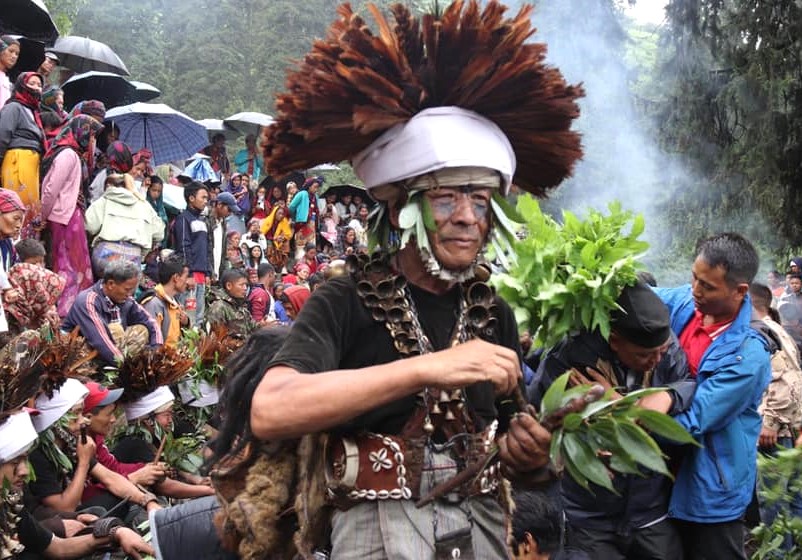
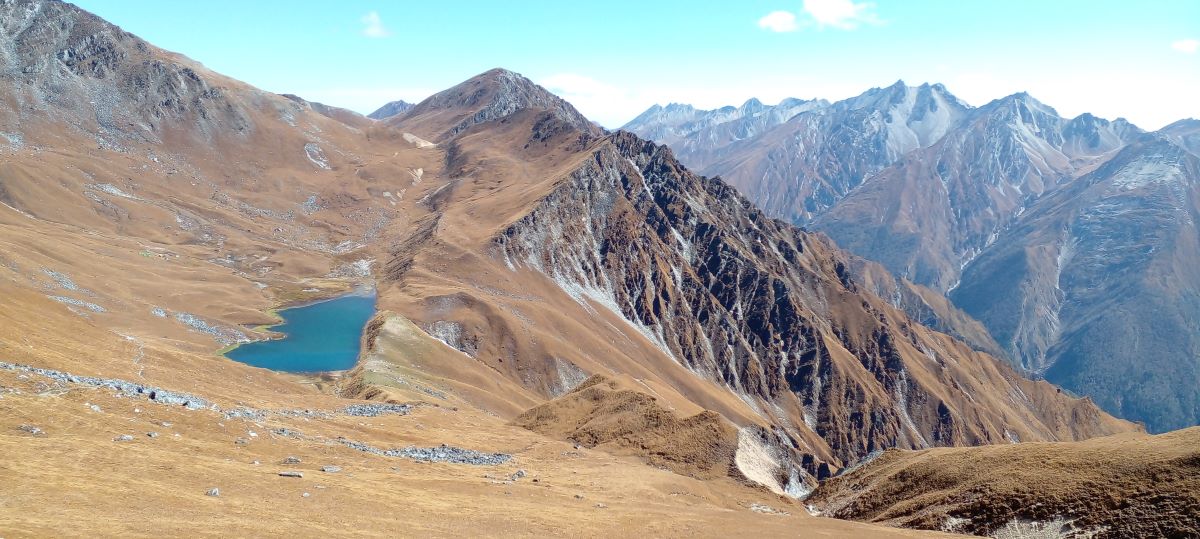
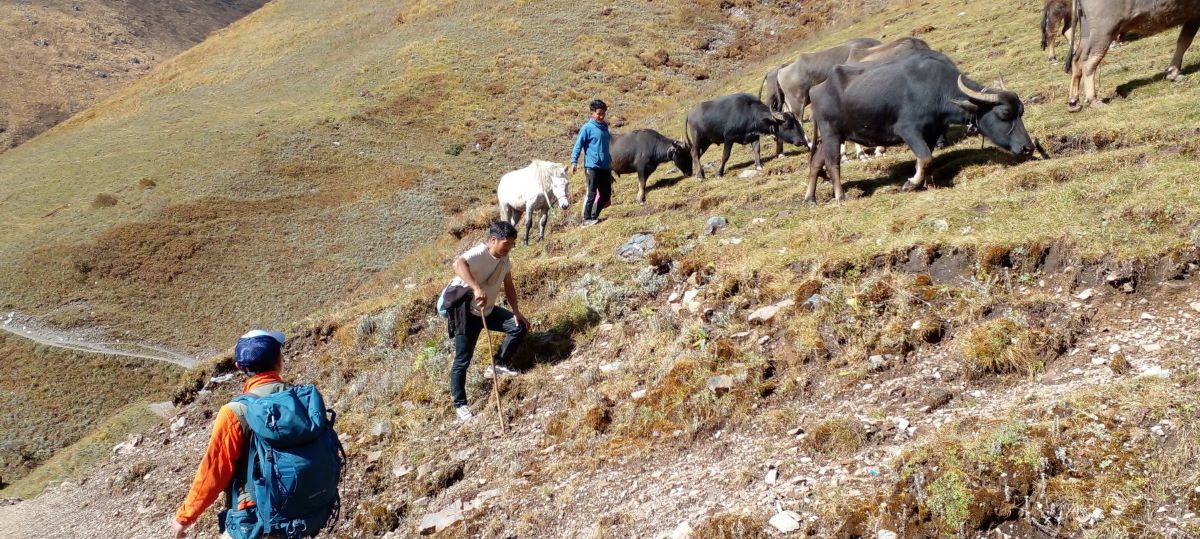
After having breakfast, drive to Pokhara airport for Dhaulagiri, Dhorpatan Hunting Reserve and Annapurna sightseeing by helicopter. First we fly towards Dhaulagiri - Dhorpatan massif over Lumle, Ghandruk Gurung village, Poonhill forested hill, world’s deepest gorge Kaligandaki. We observe magical Himalayan landscape, alpine meadows, beautiful settlements in the hill slope. During the flight, we will observe hanging icefalls, active glaciers, glacial lakes, sky soaring numerous snowy peaks, thundering cascades, meandering moraines and river valleys very closely from the helicopter. We land helicopter in the Dhorpatan Hunting Reserve area. Here we will have about half hour to explore classic culture of Magar tribes and mix cultured society as well as wildlife in the large grassland of Uttarganga area of the reserve.
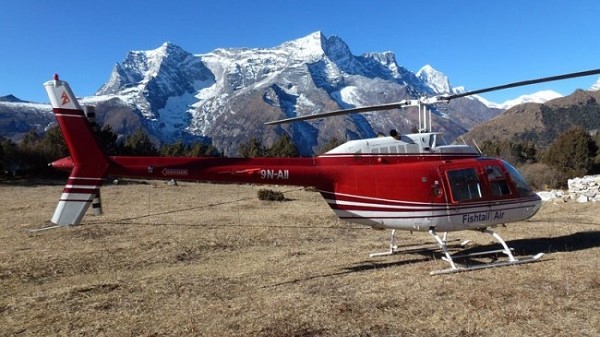
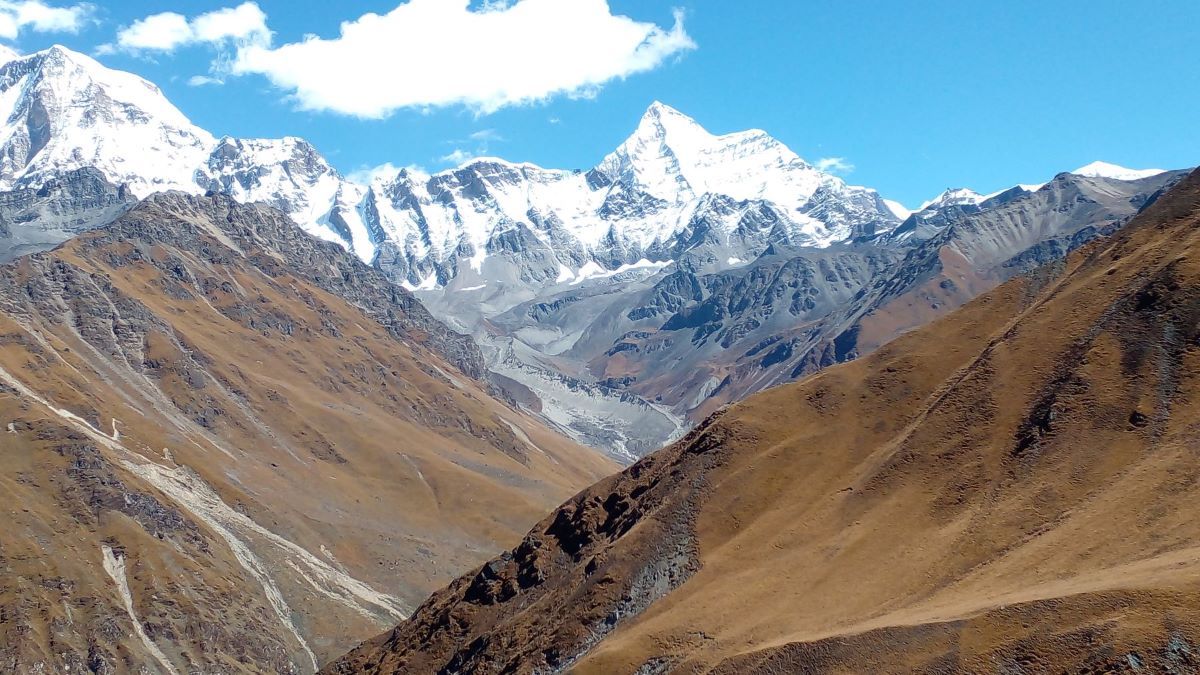
We will have lifetime experience of the wonderful Himalaya and its rare flora, fauna and classic culture by helicopter tour in short span of time without strenuous hiking in the high Himalaya. Then we fly to the east towards Annapurna range where we see numerous snowy peaks like Annapurna I (8091m), Annapurna south (7219m), Baraha Shikhar (7647m), Hiuchuli (6441m), Tent Peak (6501m), Gandharba Chuli (6248m) and Fishtail/Machhapuchhre (6993m). We will have short break at Mardi Himal in the foothill of Fishtail Mountain for wonderful experience of magical view of majestic Himalaya and intermountain valleys. About 2 hour roundtrip helicopter tour will really be exciting for wonderful experience. Return to Pokhara airport. We have lunch at any restaurant by the Phewa Lake shore, visit Mahendra limestone cave then drive back to hotel, relax in the afternoon. You can observe the wonderful Himalaya panorama and beautiful Pokhara valley from the hotel. You have good time in and around hotel for bird watching. There is beautiful colorful forest around the hotel where rhododendrons bloom during spring season. Dinner and overnight.
Day 05: Explore Gurung village and lifestyle then fly back to Kathmandu, 5* hotel
Have breakfast then drive to Dhampus or Lumle to explore Gurung tribal villages and their lifestyle along the roadside, plenty of time for photography. Drive to Pokhara airport, fly to Kathmandu by plane. Transfer to hotel, time for shopping and relax in Thamel. Dinner & overnight.
Day 06: Explore Kathmandu valley / Bhaktapur, Changunarayan Temple and Patan, 5* hotel
After having breakfast, drive to Bhaktapur, visit Changunarayan Temple complex. Changunarayan is the oldest temple of Nepal as per the record of stone sculpture shown in its yard. It is a beautiful temple of Lord Vishnu located atop a beautiful hill that has several temples in its complex and traditional Newari houses in the ridge. Then drive to Bhaktapur Durbar Square. Explore Bhaktapur Durbar square, Taumadhi Tole and Pottery Square. Then drive to Patan, the finest city of temples and palaces. After the tour, return to hotel. Dinner and overnight.
Bhaktapur
15km to the east of Kathmandu, the city of Bhaktapur, also called Bhadgaon, the "city of devotees", is the ancient capital of one of the kingdoms of the valley. Here, one can really breathe the air of the past, because unlike Kathmandu, vehicles cannot circulate in the old city that is covered, therefore only on foot, and most of the buildings are wonderful examples of Newari architecture. It is certainly one of the most interesting places in Nepal, where it seems to return to the medieval era. It appears to have been founded in the 9th century by the legendary King Ananda Dev Malla and was the capital of the valley from the 14th to the 16th century. There are so many monuments like temples, palaces, culture history museum, buildings, water spouts, holy ponds, big bells, clay pottery and artistic stuffs in and around Bhaktapur Durbar Square, Dattatraya Square, Taumdhi Square and Pottery square. Similarly one can observe and experience typical lifestyle of local inhabitants Jyapu Newars working in and around.
Patan
5km southeast of Kathmandu, Patan is known as the finest city of temples and palaces. It played an important role over the centuries, even when the valley was divided into many feudal kingdoms. In 1372 it was conquered by a king of the Malla dynasty named Jayasthiti who, after ten years, unified the valley bringing the capital to Bhaktapur. During the reign of the Malla, the beautiful temples and palaces were built. There are so many beautiful monuments like Krishna Temple, Bhimsen temple, royal palaces, Patan museum, several temples in the Patan Durbar Square, water fountains, Patan’s oldest and valley’s one of the two tallest temples Kumbheshwar Shiva Temple built in 1392 (spire damaged by 2015 earthquake), Golden Temple (Hiranya Varna Mahavihar) etc.
Day 7: Explore Kathmandu valley, 5* hotel
Visit Pashupatinath, Bouddhanath and Budhanilkantha in the morning. Have farewell Nepali lunch at Bhim’s house in Raniban. Afternoon free for relax. Drive back to hotel. Dinner & overnight.
Budhanilkantha:
Visit the little-known Hindu temple, a true sacred place, especially to the faithful of Lord Vishnu. He is the god of a thousand names, of various forms and incarnations, and is also presented with the god Narayan lying on the cosmic ocean, the creator of life. From His navel a flower has blossomed from which was born Lord Brahma who created the world. The stone statue of Vishnu lies in this temple in a pool of water nestled among the coils of the great eleven-headed snake (Ananta Nag). The impressive statue is thought to date back to the 7th / 8th century and was carved at the time of the Lichchhavi dynasty.
Bouddhanath Stupa: Here is the largest Tibetan community in Nepal, of which motions, have come here following the invasion of their country by China. The origin of this stupa is still unknown although it appears to have been built in the sixth century, at the time of the Tibetan king Srongsten Gompa, who had converted to Buddhism after marrying two wives, one Chinese and one Nepalese ‘Bhrikuti Tara’, both of Buddhist faith. It is the majestic largest stupa in Nepal. It was collapsed in 2015 earthquake but it’s rapidly rebuilt within 2 years in its original shape and size. Around the great stupa, many monasteries and shops have sprung up and every day dozens of faithful walk around its perimeter in a clockwise direction. The large white cap is often streaked with yellow / orange: it is the saffron powder thrown by the faithful as an act of devotion in honor of Buddha.
Pashpatinath
Pashupatinath is the most important Hindu temple in the country, dedicated to one of the manifestations of Lord Shiva and is a shepherd of animals, men and a symbol of fertility. The temple stands on the bank of the Bagmati river (born from the mouth of Shiva), where cremations take place. In the complex there is the Golden Temple, one of the most sacred temples of Nepal, whose access is allowed only to Hindus. Around the temple premises, there are hundreds of shrines built up in different dates from 5th century to the present.
Day 8: Fly back home
Have breakfast, check out hotel, and transfer to airport
Trip cost per person (US$):
2pax group: $3599
3pax group: $3199
4pax group: $2799
5pax group: $2499
10pax group: $2499
11pax group: $2399
It includes:
TIMS permit, ACAP permit, Dhorpatan Hunting Reserve entry and helicopter landing permit, monument sites and area entry permits for the entire trip, food (3 meals a day: breakfast, lunch and dinner), accommodation, English speaking guide, surface and air transportation including private charter helicopter as per the itinerary.
It excludes:
Nepal Visa, guests travel insurance, any kind of gift & donation, gratuity to the serving staff, cold drinks and alcoholic beverage, emergency evacuation, cost of personal nature and the cost not mentioned in includes section.
Thrilling experience of Annapurna, Dhaulagiri, Churen, Putha, Dogari and Gurja Himalaya range very closely by helicopter, Gurung village and culture tour, boating in Phewa Lake to access Tal Barahi Temple Island, World Peace Pagoda and Bindhyabasini Temple tour in Pokhara and medieval era temple tour in Kathmandu valley.





Destination
Activity
Start/End Point
Duration
Grade
Season
Group Size
Hotel/Accomdation
Highest Elevation